Army Navy is a Los Angeles trio built around Justin Kennedy, who started the band in 2004 after leaving Seattle, where he had played in Pinwheel with Ben Gibbard. Louie Schultz plays lead guitar, Douglas Randall plays drums, and both of them sing. The Wilderness Inside, their third album, came out on July 15, 2014, on the band’s own label, The Fever Zone, three years after The Last Place. It did not arrive all at once. Two of its ten songs had been out for a year or more before anyone heard the rest.
The producer was Adam Lasus again. He made the first two records with them, and the band calls him a longtime friend. They recorded at Fireproof Recording, the studio he had moved from Brooklyn to Los Angeles. In April 2013 the Los Angeles music site Buzz Bands LA reported the trio back at his studio and the album due later that year. It took until July 2014, and the band kept releasing pieces in the meantime. “World’s End” came out first, in 2012, as a single backed with a cover of Yaz’s “Only You”. Its video, directed by Mark Schoenecker, casts Martin Starr as the host of a fake 1960s television variety show on which the band performs.
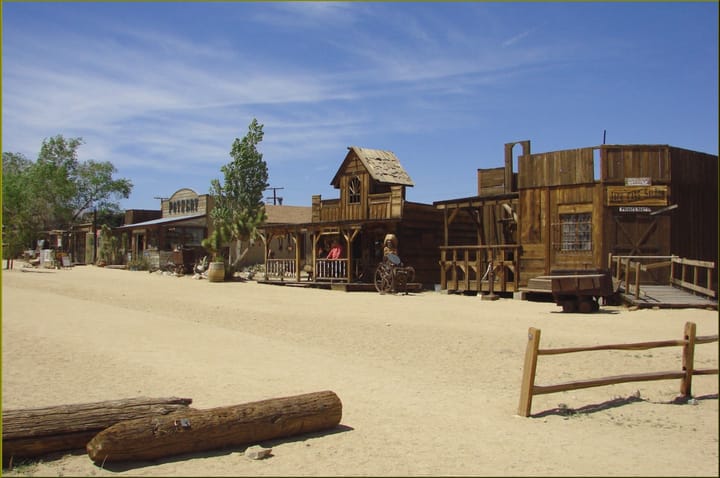
“Crushed Like the Car” followed in July 2013, first as a single and then as the title track of The Crushed EP. The EP’s press release said it grew out of Kennedy’s “recent personal feelings of uncertainty”, and Buzz Bands LA reported that the song was inspired by a car crash, not a crush, using the accident to ask bigger questions. Cameron Dutra shot its video off the grid in Pioneertown, California. The EP’s other songs, including “Pickle”, the first new track the band shared in 2013, stayed off the album. “The Mistakes” was the album’s first preview, in May 2014. Kennedy told Wondering Sound the song is “about longing for something that you know is destructive”, and said he was pleased to have fit the word “behemoth” into a lyric.
By Paste’s account the arrangements are mostly guitars, drums and voices, with only a few extras: some piano, backing vocals and the occasional brass part. All ten songs are credited to the three members. ABC News found the new ground in the slower songs, and on “Dumb Luck” two reviewers reached for the same reference point: AllMusic heard early-’80s soft rock in it, and ABC News, noting how the guitars recede, compared its groove to Fleetwood Mac’s “Dreams”. “Spinning On the Record” is a song about music itself, about the songs that changed the singer, and ABC News heard it as the kind of upbeat song Kennedy does best. “Birdy” closes the album and is its longest track, at 5:13.
Reviews in July 2014 were good across the board and split on one point. Paste gave the album 8.3 out of 10 and praised a record with no tricks and plenty of hooks, but found the dynamics and textures too alike from song to song. For ABC News, which gave it four stars out of five, it was the band’s “third and most varied release to date”, with more down-tempo moments and the richest set of songs they had made. AllMusic, at 3.5 out of 5, heard a mix of ’70s power pop, folk and country, and a careful balance between bittersweet lyrics and bright hooks.
Both readings can be true at once, because the limits are chosen. This is three players, a producer they have worked with since their first album and a short list of extras, so a sameness of texture comes with the setup, and Paste’s complaint follows from it. What changed is the pace. The slower songs are the ones critics reached furthest to describe, and the song that introduced the album is, by Kennedy’s own account, about wanting something you know will hurt you. The two oldest songs, “Crushed Like the Car” and “World’s End”, sit third and sixth on a ten-song, 42-minute record that took three years to come out.
Watch and listen
Players only load when you press play. Their providers may set cookies.


